COLD PLUNGING: Powerful Therapy for Mind, Body and Spirits - Five Benefits, and Beyond

Updated: Apr 5

Cold plunging is often framed as a recovery tool—something used after hard training or intense effort. But when practiced consistently and with intention, cold exposure offers benefits that extend far beyond physical recovery.
Cold plunging supports the nervous system, encourages presence, and helps build resilience that carries into everyday life. Rather than pushing the body to extremes, it offers a steady way to reset mentally, emotionally, and physically, even if you’re not an athlete.
Whether you’re new to cold exposure or refining an existing routine, understanding the broader benefits of cold plunging can help you approach the practice with confidence and clear expectations.

What Is a Cold Plunge?
A cold plunge is a form of cold water immersion where the body is exposed to cold temperatures for a short, controlled period of time.
Traditionally, ice baths have been associated with athletic recovery, often involving tubs filled with ice and water after intense training. Today, cold plunging has evolved into a more intentional, accessible practice—focused not just on physical recovery, but on nervous system regulation, mental clarity, and daily resilience.
Cold water sends a clear signal to the nervous system. When paired with calm breathing and a steady approach, cold immersion helps the body learn how to respond to stress and how to return to balance afterward. This is what separates an intentional cold plunge from a purely reactive ice bath.
Unlike longer or more extreme ice bath protocols, cold plunging doesn’t require pushing through discomfort or staying in the water as long as possible. Short, consistent exposure is often enough to support the benefits, especially when cold plunging becomes part of a regular routine.
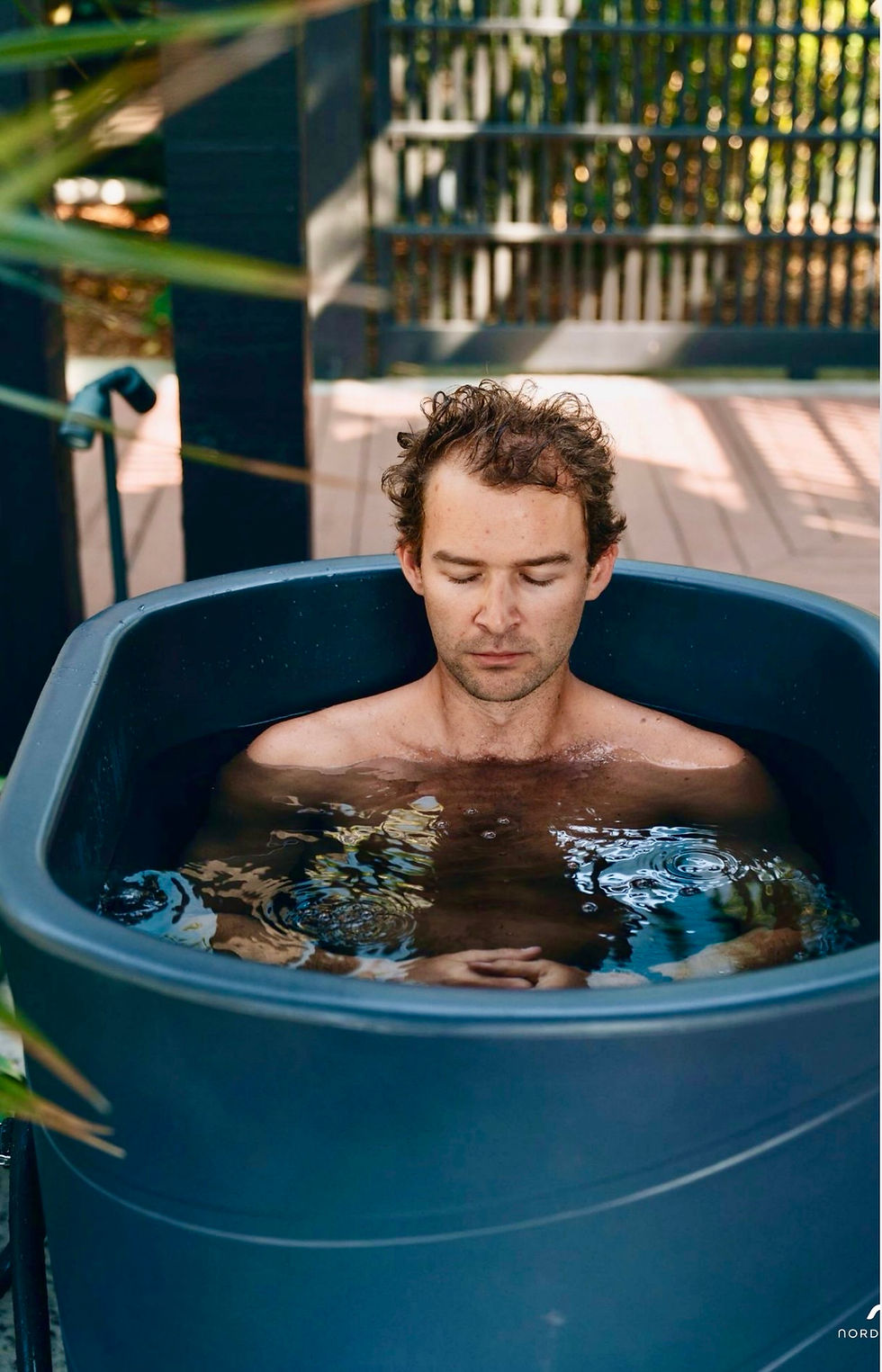
5 Benefits of Cold Plunging
While cold plunging does support physical recovery, its benefits extend much further. With consistent practice, cold exposure can influence how the body responds to stress, how the mind settles, and how grounded you feel throughout the day.
Below are some of the key ways cold plunging supports both body and mind.
1. Regulating our Nervous System
The nervous system plays a central role in how the body responds to stress, recovers, and finds balance. For many people, modern life keeps that system in a near-constant state of activation.
Cold plunging offers a way to interrupt that pattern.
When you step into a cold plunge, the body responds immediately. Heart rate increases, breathing shortens, and attention sharpens. With steady breathing and controlled exposure, the nervous system begins to adapt, learning how to move from activation back toward calm.
This process helps reinforce what’s known as nervous system regulation: the ability to respond to stress and then return to a grounded baseline rather than staying stuck in overdrive.
Over time, regular cold plunging can support nervous system regulation by creating repeated opportunities for the body to practice recovery. Instead of avoiding discomfort or pushing through it, cold exposure encourages a steady, measured response that emphasizes breath, presence, and control.

2. Mental Clarity and Emotional Resilience
Cold plunging naturally creates a moment of mindfulness.
Mindfulness is the practice of awareness of the physical body, its surroundings, and detached acceptance of reality, a practice which is believed to have positive effects on the human mind.
Many people notice that after a cold plunge, the mind feels quieter and more focused. Thoughts feel less scattered. Attention feels easier to sustain. That clarity emerges as the nervous system settles and the body returns to balance.
With consistent practice, cold plunging can support a steadier relationship with focus throughout the day. By regularly creating space for presence, cold exposure helps train the mind to return to the moment more easily.

3. Increasing Stress Tolerance Without Burnout
The human body is uniquely equipped to handle stress, but chronic or long-term stress can have serious effects on your physical wellbeing.
Cold plunging supports resilience to stressors of all kinds by offering controlled exposure to discomfort in a safe, intentional setting. Stepping into cold water brings an immediate physical and emotional response, but with calm breathing and a steady approach, the body learns that it can move through stress without becoming overwhelmed.
This practice helps strengthen stress tolerance by reinforcing a simple pattern: activation followed by recovery.
Rather than pushing through or suppressing discomfort, cold plunging encourages awareness and regulation. You notice the response, stay present with it, and allow it to pass. Over time, that pattern can carry into everyday situations—supporting a more grounded response to pressure, uncertainty, or emotional intensity.
Consistency matters here. Regular cold plunges give the nervous system repeated opportunities to practice recovery, helping stress feel less disruptive and more manageable.

4. Improving Circulation and Physical Recovery
Cold plunging supports physical recovery in part through its effects on circulation.
When the body is exposed to cold water, blood vessels temporarily constrict. As you warm back up, circulation increases again. This natural cycle helps move blood and oxygen through the body, supporting muscle recovery and reducing feelings of heaviness or soreness.
For people who train regularly, this can make it easier to recover between sessions and maintain consistency over time. For others, it may simply support a greater sense of ease in the body: less tension, less stiffness, and a feeling of being more physically settled.

5. Creating a Daily Ritual
The most meaningful benefits of cold plunging come from consistency.
When cold exposure becomes part of a regular routine, it shifts from something you do occasionally into a ritual you can rely on. A familiar moment in the day that signals pause, presence, and reset.
This doesn’t require long sessions or extreme cold. In fact, short, repeatable cold plunges are often more sustainable—and more effective—than infrequent, intense ice baths. What matters most is returning to the practice with intention.
As a ritual, cold plunging becomes less about the experience itself and more about what it supports: steadier energy, clearer focus, and a body that knows how to settle after stress. It’s a way to check in, breathe, and reset without adding another demanding task to the day.
Over time, this consistency builds trust in the practice. Cold plunging earns its place in your routine by supporting how you feel, not by asking you to push harder or do more.
Experience the Benefits of Cold Plunging Safely and Intentionally
Starting a cold plunging practice doesn’t require extreme temperatures, long sessions, or pushing through discomfort. The goal is to build a sustainable habit that supports your body and nervous system over time.
Begin with short, manageable exposures. Even brief time in cold water can be effective when paired with calm, steady breathing. Focus on staying present rather than enduring the cold.
Breath is key. Slow, controlled breathing helps signal safety to the nervous system and allows the body to settle more quickly. If your breath becomes strained or panicked, that’s a cue to step out and reset.
Consistency matters more than duration. A few regular cold plunges or ice baths each week can offer more benefit than infrequent, longer sessions. Let the practice fit naturally into your routine rather than forcing it into your schedule.
Pay attention to how your body responds. Cold plunging should feel challenging but not overwhelming. Progress gradually, and give yourself time to adapt.
Cold Plunging Benefits Beyond Recovery
Cold plunging is about more than a physical response to cold. With regular practice, it supports how the body regulates stress, how the mind finds focus, and how both return to balance after stimulation.
Rather than focusing on pushing limits, cold exposure works best when it’s consistent and intentional. By keeping the practice steady and sustainable, cold plunging can become part of a broader rhythm of care—one that supports clarity, resilience, and recovery without demanding more than the body is ready to give.
One of Dr. Rob's favorite podcast about cold plunging.


Comments